
Insurability Checklist Before You Buy a Fix and Flip
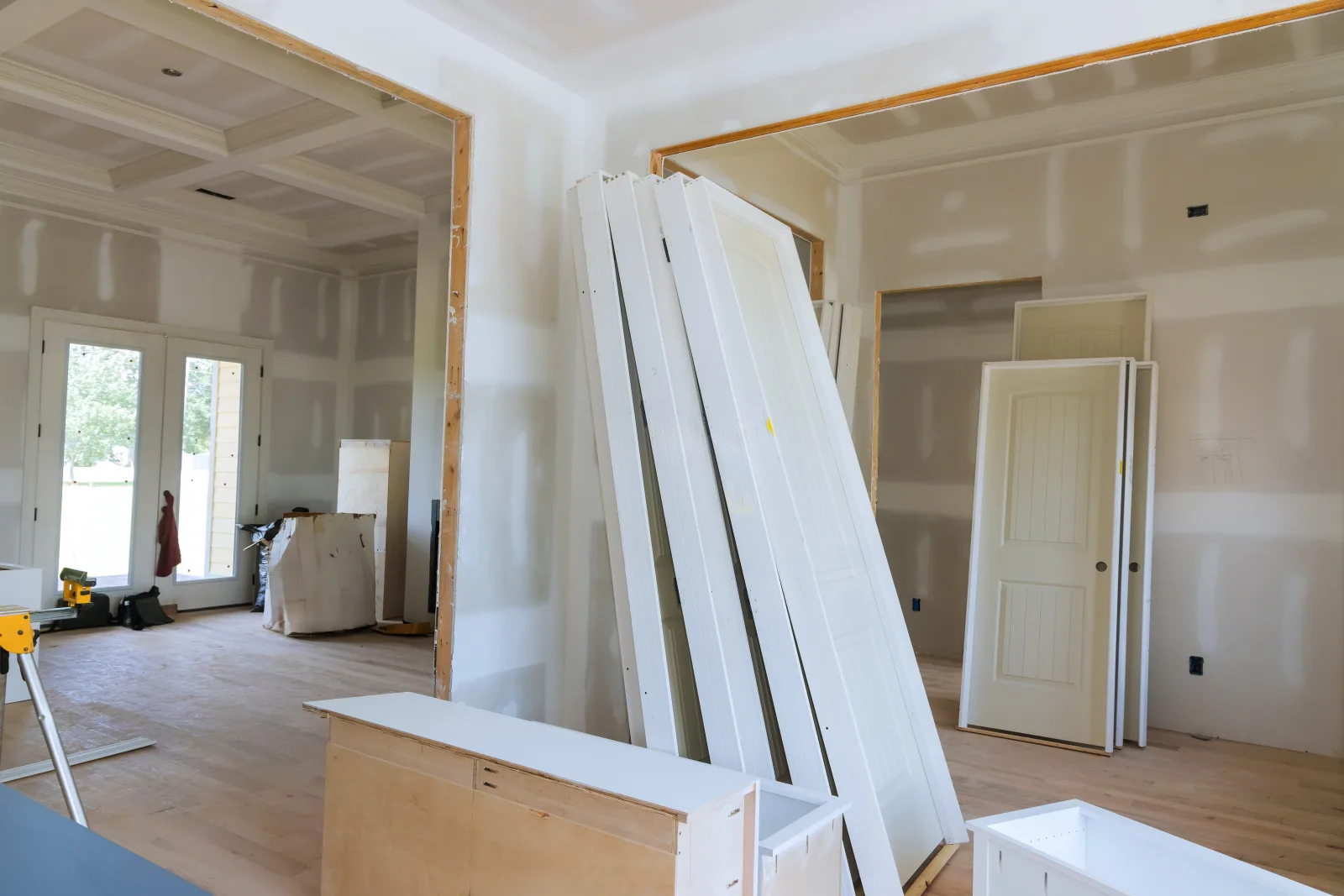
An insurability checklist for a fix and flip is a set of questions, answered before the purchase contract goes firm, whose answers decide the policy path. There is no score here and no passing mark. Each group below is organized by what an underwriter will ask: what the work is, whether anyone lives in the house, what the weather and the ground can do to it, what the permits require, who holds title and who is lending, and how long the schedule runs. Each group ends with what to do when the answer is not yet known.
The purchase contract is the last easy place to ask
A question put to a seller before a contract is signed is easy to ask and easy to answer. Once the contract is firm, the house is yours to insure whatever the answers turn out to be, and a seller who might have supplied a fact on request has less reason to. That is the whole case for doing this list early.
Two policy paths sit behind these questions. A structural job points toward builders risk. A finish-work job points toward a dwelling policy with a cosmetic repair endorsement. Which of the two applies is not a matter of preference, and the six groups below are the questions that move it.
Keep three things for every answer: what the answer is, which document it comes from, and the date it was learned. An answer from the seller’s mouth and an answer from a recorded document are not the same quality, and the person reading the submission will want to know which is which.
The scope of work says which policy path you are on
Begin with the plan, because it moves the path further than anything else on the list. The Oregon Department of Administrative Services, in its builders risk insurance clauses, says builders risk applies when a new building is being constructed, when substantial alterations will be made to an existing structure, such as bearing walls or lifting foundations, or when equipment is installed in an existing building. That page is written for the state’s own construction contracts, so treat it as a clear statement of the line, not as a rule for your deal.
Ask these questions of the scope:
- Will any bearing wall, beam or foundation element be touched?
- Will the roof structure, not just the covering, be changed?
- Will plumbing, electrical or mechanical systems be replaced rather than repaired?
- Is the job paint, flooring, fixtures, cabinets and surfaces only?
The difference is laid out in builders risk versus a dwelling policy with a cosmetic endorsement. The two coverage pages, builders risk for renovations and the dwelling policy with a cosmetic repair endorsement, show what each is built to describe.
If the answer is unknown: do not make an offer on a scope that exists only as an intention. Get the contractor’s scope of work in writing, with the structural items named. Until you have it, plan as though the structural path may apply.
Whether anyone lives in the house decides how vacancy is read
The second question is about people. Is the house occupied today, by whom, and until when? The Texas Department of Insurance, in its home insurance guide, lists among the losses a home policy does not cover those that occur if the house is vacant for the number of days specified by the policy. The count lives in the policy, so the policy has to be read.
The North Carolina Department of Insurance, on its dwelling policies page, lists vacant homes among those a dwelling fire policy may suit. Between them these two sources show the same thing from opposite sides: vacancy is a status that matters to the form, and the word has to be matched to the facts. The page on what vacant means on a policy takes the word apart.
Real-World Scenario: An investor puts a house under contract from a seller who says the place is empty. The seller’s relative still keeps furniture in a few rooms and stops by on weekends. The investor plans a finish-work job and assumes the house is vacant from the day of closing. The underwriter’s questions are simple: who has a key, who sleeps there, and when did anyone last sleep there? The investor has no written answers, only the seller’s statement, and so the submission waits. Nothing was wrong with the house. The facts about who was in it had never been gathered, and the closing date had already been chosen.
Ask the occupancy questions plainly:
- Does anyone live in the house now, and what is the move-out date?
- Is any furniture or stored property staying after closing?
- Are the utilities on, and in whose name?
- How long will the house stand empty during the work?
If the answer is unknown: make the move-out date and the condition of delivery a written term of the contract, and ask the seller for a statement of who has keys.
Water, ground and weather belong to the address
This group is about what the site can do to the house, not what anyone does to it. Water arrives from the sky, from below and from a failed pipe. The ground can move. Weather can find a roof that is half removed. Each of those is a separate peril with a separate answer.
Start with flood. The question is whether the address sits in a mapped flood area, and the post on flood, the NFIP and a house that is not finished yet explains why a half-built house is read differently. Then rain and snow through openings: water through an open envelope shows how a form sorts the ways water gets in. Then the ground itself. Earth movement, the exclusion that is not one exclusion sorts settling, sinking and sliding from the rest.
Questions to take to the house:
- Is there standing water, a damp basement or a drainage problem visible at the walk-through?
- Does the lot slope toward the foundation, and is there a retaining wall?
- Has the foundation been repaired before, and is there a record?
- What is the roof’s condition, and will it be open during the work?
- Will the house sit through a cold season, and is there a plan for the water in the pipes?
If the answer is unknown: check the address against the flood map before the contract date, ask the seller for any disclosure about water and settling, and ask a licensed agent which of the three exposures matters most for the scope you have in mind.
The questions that move the policy path
Questions to settle before an offer goes firm, laid out as rows with the ones that most change which policy path applies at the head of the figure.
- What the scope of work touches Structural work and finish work point to different policy paths.
- Whether anyone lives in the house Occupancy status decides how a vacancy clause reads against the plan.
- Who holds title and who is lending Named parties on the policy must match the paper behind the purchase.
- How long the schedule runs The planned term has to fit the form that carries the work.
- Water, ground and weather exposure The address sets which perils the policy path has to answer.
- Permits and code requirements Open permits and upgrade rules shape what the policy is asked to do.
Permits and code decide how much of the plan is allowed
Every scope of work meets a building department. The question for the checklist is what it will need and whether anything is already open. The permits and inspections timeline shows how the stages fit together, and a permit can change both the schedule and the description of the job.
Ask:
- Which parts of the scope need a permit, according to the local building department?
- Are there open permits, expired permits or recorded violations on the house today?
- Was earlier work done without a permit?
- Will the house have to meet newer code as work proceeds?
That last question has an insurance edge. Ordinance or law and why code upgrades are capped explains that a policy may treat the cost of code upgrades differently from the cost of repairing what was there. An investor who learns that an upgrade is required should learn it before the policy is chosen, not after a loss.
If the answer is unknown: call the local building department with the address and the scope, and ask for the permit history in writing. Do not rely on the seller’s description of what was permitted.
Title and lender decide whose names must appear on the policy
The next group is about parties. The NAIC glossary, at its insurance terms page, defines a named insured as the individual defined as the insured in the policy contract, and an insurable interest as a right or relationship such that the insured can suffer a financial loss from damage or destruction. It also describes a loss payable clause as coverage for a third-party mortgagee in case of default on an insured property secured by a loan. Names matter in each of those definitions.
Ask:
- Will the purchase be in a personal name or an entity’s name, and will the policy name the same one?
- Is a lender involved, and what insurance paperwork does it require?
- Will the contract be assigned before closing? Assigning a contract versus rehabbing it shows how the interest changes.
- What does the financing plan ask the insured to show? How to finance a fix and flip sets out the routes the money can come from.
The New York Department of Financial Services, on its basic coverage page, lists the name and address of the policy owner and the name of the mortgagee among the items on a declarations page. The paper behind the purchase and the paper on the policy have to describe the same people.
If the answer is unknown: get the lender’s insurance requirements in writing, decide the name that will take title, and give both to the agent before the contract goes firm.
The schedule tells the policy how long it has to last
The last group is about time. The California Department of Insurance, in its commercial guide, describes builder’s risk as added to a policy for a one-year minimum term, to cover a structure undergoing additions, alterations or repairs. It says cancellation on completion is allowed pro rata, but a mid-term cancellation brings a short-rate penalty, and that a reporting or renovations form lets the amount carried follow the stage of completion. That is one state’s description, and your own policy governs, but it shows why term and form are linked.
Ask:
- How long will the work take, according to a written schedule and not a hope?
- What is the plan after the work: sale, rental or hold?
- Is the schedule built around inspections and deliveries that are outside the crew’s control?
- What are the holding costs for each additional stretch of time?
The post on holding costs on a fix and flip shows why time is a multiplier on the carrying side of the budget.
If the answer is unknown: write down the realistic schedule with a margin for delays, and ask the agent how the form handles a job that runs past its planned end.
Carry the answers to a licensed agent before the contract goes firm
You now have six groups of answers, some firm and some open. The point of the exercise is not to close every question. It is to know which ones are open, who can close them, and by when.
Sort the page into three piles: answers backed by a document, answers that rest on a statement, and answers that are still blank. Send all three to a licensed agent together with the scope of work, the address and the schedule. The agent can say which policy path the facts point to and what is missing from the submission.
When the blanks are named and assigned, you can start a quote with real information instead of hopes, and the contract can go firm on a house whose insurance path you already understand. Which path applies is set out on the fix and flip insurance page for a structural job and the house flipping insurance page for finish work.
The bottom line
Insurability is settled by answers, not by a score. Work through the scope, the occupancy, the exposure to water and ground, the permits, the title and lender, and the schedule before the contract goes firm, and turn every unknown into a named next step.
Frequently asked questions
How early should an agent hear about a house I have not bought yet?
As soon as the scope of work has a draft and the address is known. The questions that decide the policy path are about the house and the plan, and neither changes after closing without cost to the schedule. An agent can tell you which answers are missing while you still have room in the contract to ask the seller.
The seller says the house is empty, but a relative still keeps belongings inside. Does that matter?
It can, because the Texas Department of Insurance lists losses that occur while a house is vacant for the number of days the policy specifies. Whether belongings count toward occupancy under a given policy is a wording question, not a guess. Put the move-out facts in writing and let a licensed agent read them against the form.
I cannot tell whether the job is structural or only finish work. What happens to the checklist?
That is the most weighted unknown, so settle it first. Ask the contractor for the scope in writing and name the walls, systems and roof work it touches. Until it is settled, the policy path stays open, and an agent cannot say which of the two applies.
Does having a lender change which questions I ask?
It adds a party whose interest the policy has to name. The New York Department of Financial Services lists the name of the mortgagee among the items on a declarations page. Ask the lender for its insurance requirements in writing before the contract goes firm.
The work could run longer than planned. Is that a question for now or for later?
For now. The California Department of Insurance describes builder’s risk as added for a one-year minimum term, and describes a reporting form that lets the amount carried follow the stage of completion. What your schedule means for the term and for the form is a conversation to have before closing, not at the first delay.
Can a house fail an insurability checklist?
This one has no passing mark. It is a list of questions, and each unanswered one comes with a next step. A house with many open questions is a house with a lot to settle before the contract goes firm, which is information rather than a verdict.
About the author

Nate Jones, CPCU, is the founder of Wexford Insurance and Fix and Flip Guard Insurance, a specialty agency placing fix-and-flip real estate investment coverage in 48 states across 10+ carrier markets. Nate puts the same six groups of questions to an investor before an offer is signed, because the answers decide whether a structural or a finish-work policy path is even available for the house. Reach him through the Fix and Flip Guard Insurance quote form or call 888-346-2414.